Timber vs Aluminium Windows: Cost, Style & Performance
Aug. 14, 2026
Choosing between timber and aluminium windows is not simply a matter of which material is better. The right choice depends on your budget, climate, architectural style and maintenance expectations. Your window material should complement the overall design of your home while meeting practical requirements for comfort and performance. In Australia, windows need to withstand intense UV exposure, extreme heat, storms, salt air and, in some areas, bushfire risks, making durability, weather resistance and thermal performance just as important as appearance.
Whether you are building a new home, renovating an existing property or upgrading your windows to improve energy efficiency, understanding the key differences between timber and aluminium can help you make a more informed long-term decision. The best windows should suit your home’s style, energy-efficiency requirements and budget while providing lasting comfort, performance and value.
Quick Comparison
| Feature | Timber Windows | Aluminium Windows |
|---|---|---|
| Upfront Cost | Higher initial investment | More affordable upfront |
| Long-Term Cost | Requires repainting & sealing | Minimal ongoing cost |
| Maintenance | Moderate to high | Very low |
| Lifespan | 20–40+ years (maintained) | 30–50+ years |
| Energy Efficiency | Naturally insulating | Excellent with thermal break |
| Appearance | Warm, natural, premium | Modern, slim, clean lines |
| Sustainability | Renewable material | Highly recyclable |
| Best Home Styles | Heritage, Hamptons, classic | Modern, architectural |
| Best Climates | Mild / inland | Coastal, hot, harsh |
Cost Comparison
Upfront Cost
Timber windows typically cost more than aluminium windows due to natural material sourcing, craftsmanship and finishing. Aluminium windows are generally more cost-effective upfront, making them popular for new builds, investment properties and large openings.
uPVC windows are typically the most affordable option, offering lower upfront costs than both timber and aluminium windows.
Long-Term Cost & Maintenance
Timber windows require regular painting, sealing and moisture protection. Without proper maintenance, exposure to heat and rain can cause swelling, fading or deterioration.
uPVC windows require less ongoing maintenance and offer good durability.
Aluminium windows, particularly powder-coated frames, are highly durable and require minimal maintenance, helping reduce long-term ownership costs.
Which Is Better Value Over 20+ Years?
Over the long term, aluminium windows often offer better value due to their durability and low maintenance requirements. Timber windows provide a premium, natural appearance but require more ongoing care.
uPVC windows are also a practical long-term option, particularly for homeowners prioritising affordability, low maintenance and energy efficiency.
Maintenance Requirements
Timber Window Maintenance
Timber windows require regular care to maintain their durability and appearance:
- Repainting or staining every 3–7 years
- Protection from moisture and ultraviolet exposure
- Monitoring for termites in Australian climates
- Proper sealing to prevent cracking or swelling
Proper maintenance is essential to prevent issues such as rot. Using the correct primer and ensuring adequate sealing can help prevent moisture from entering the timber frame and causing damage.
With proper care, timber windows can last for decades, but neglect can reduce their lifespan and performance.
Aluminium Window Maintenance
Aluminium windows are generally low maintenance:
- Powder-coated finishes resist fading and peeling and require only occasional cleaning.
- In coastal areas, marine-grade finishes can help reduce the risk of corrosion.
- Aluminium requires minimal ongoing maintenance, making it a practical choice for homeowners seeking low upkeep.
Aluminium windows are also designed to withstand harsh weather conditions, providing long-lasting durability and performance.
Energy Efficiency & Thermal Performance
Timber Windows: Natural Thermal Insulation
Timber is a naturally insulating material that helps reduce heat transfer between the interior and exterior of a building. When combined with high-quality glazing, timber windows can provide good thermal performance and help maintain a more comfortable indoor environment, particularly in moderate climates.
Aluminium Windows: The Benefits of Thermal Break Technology
Aluminium is strong and durable, but it is also a highly conductive material. Thermally broken aluminium windows address this limitation by incorporating an insulating barrier between the interior and exterior aluminium sections. This reduces heat transfer through the frame, helping improve energy efficiency, minimise heat loss and heat gain, and reduce the risk of condensation.
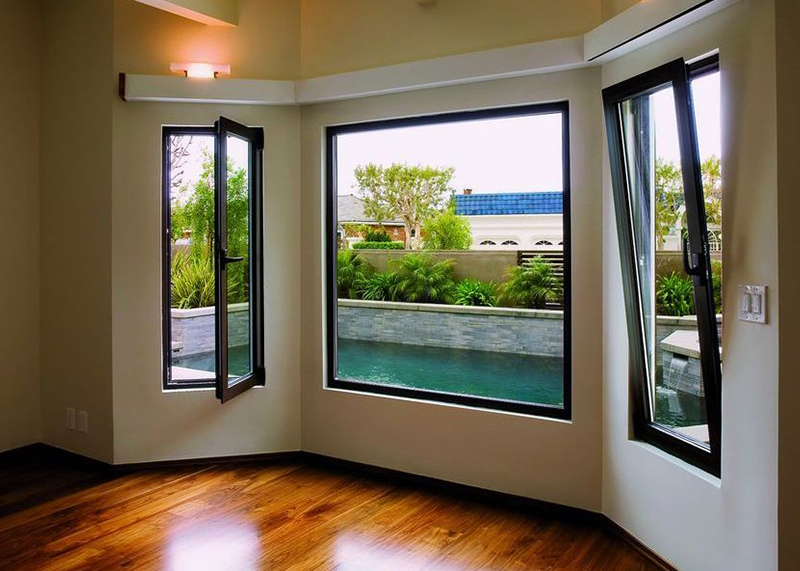
The strength of aluminium also allows for slimmer frame profiles and larger glass areas, making it well suited to contemporary designs and large glazed openings.
Thermally broken aluminium windows are particularly suitable for:
- Energy-efficient homes
- Hot Australian climates
- Large glazed openings
- Projects targeting improved indoor comfort and lower energy consumption
Single vs Double Glazing: A Critical Performance Factor
While frame material is important, glazing can have an even greater impact on the overall thermal performance of a window.
- Single glazing: Lower initial cost but provides limited thermal insulation.
- Double glazing: Reduces heat transfer while also improving acoustic insulation and indoor comfort.
- Low-E glass: Helps control solar heat gain and heat loss, improving overall energy efficiency.
For demanding climates, double glazing combined with thermally broken aluminium frames can provide a highly effective solution for reducing heat transfer and improving year-round indoor comfort.
Aesthetics, Architecture & Home Style
When Timber Windows Look Best
Timber-framed windows are valued for their natural warmth, texture and timeless character. They are particularly well suited to architectural styles where traditional detailing and a softer visual appearance are important, including:
- Heritage and character homes
- Hamptons-style homes
- Period renovations
- Traditional and classic architectural designs
Timber frames can be painted or stained in a wide range of colours and finishes, making it easier to complement existing architectural details. The natural grain and depth of timber can also add a distinctive, premium appearance to both new builds and renovation projects.
When Aluminium Windows Work Better
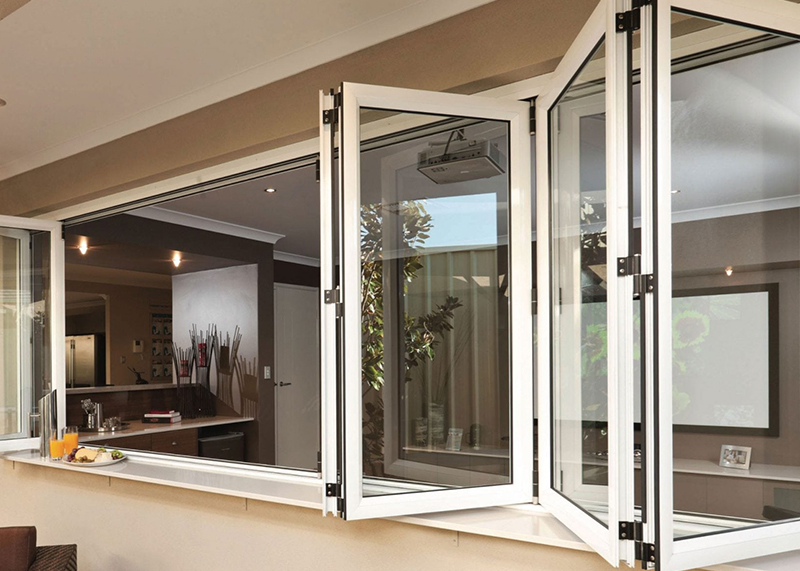
Aluminium windows are a strong choice for modern architectural designs where clean lines, durability and larger areas of glass are priorities. They are particularly suitable for:
- Contemporary and architectural homes
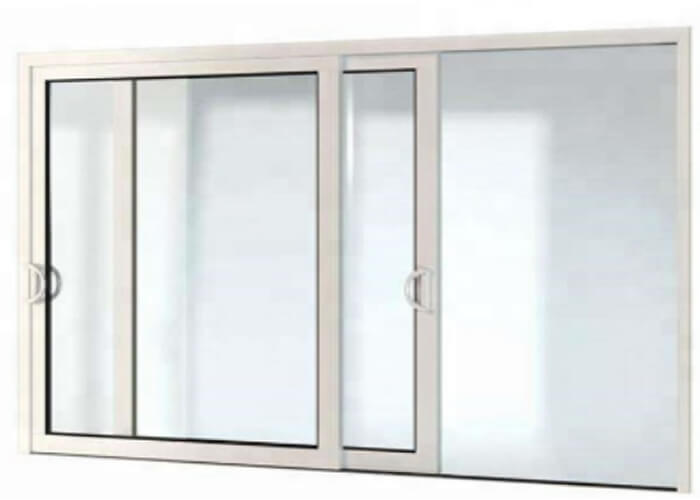
- Large openings and sliding door systems
- Slim sightlines and increased glass areas
- Minimalist and modern renovations
- Residential and commercial projects
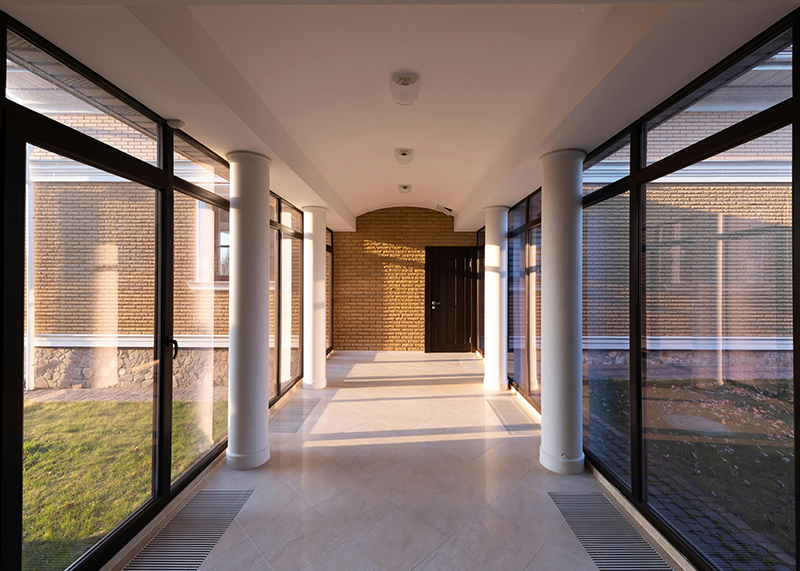
Aluminium frames provide a sleek, clean appearance while offering the strength needed for larger window configurations. Their design flexibility allows architects and homeowners to create modern façades with expansive glazing, slim profiles and a strong connection between indoor and outdoor spaces.
Durability & Lifespan in Australian Conditions
UV, Heat & Weather Exposure
Australia’s strong UV exposure, high temperatures and changing weather conditions can place significant demands on window materials.
- Timber: Timber can fade, weather and deteriorate over time if it is not properly maintained and protected.
- Aluminium: Aluminium offers excellent durability and is highly resistant to UV exposure, warping and cracking. It retains its structural strength, making it a durable choice for Australian conditions.
- Fire-prone regions: Aluminium is non-combustible and offers strong structural performance, making it a practical option for homes and buildings in bushfire-prone areas.
Coastal & High-Moisture Environments
Salt air and moisture can affect the long-term performance and appearance of window materials, particularly in coastal areas.
- Aluminium: Aluminium windows and doors with marine-grade coatings offer strong durability in harsh environments and are well suited to coastal and high-moisture locations.
- Timber: Timber requires protective finishes and more regular maintenance to help protect it from moisture and environmental exposure.
- Lower maintenance: Aluminium is generally more resilient in coastal conditions and provides a lower-maintenance solution for residential and commercial properties in coastal or high-moisture areas.
Sustainability & Environmental Impact
Timber: Renewable but Resource Dependent
Timber is a renewable material, particularly when sourced from responsibly managed and FSC-certified forests. However, its overall environmental impact is also influenced by factors such as transportation, treatment and finishing processes. A longer service life can further improve the sustainability of timber windows by reducing the need for replacement.
Aluminium: Energy Intensive but Fully Recyclable
Aluminium production requires significant energy, but aluminium is fully recyclable and can be recycled repeatedly without losing its material quality. Its long service life also helps reduce the frequency of replacement, supporting better lifecycle sustainability.
Both timber and aluminium can be environmentally responsible choices when they are responsibly sourced, properly maintained and used to maximise their service life.
Timber vs Aluminium: Which Should You Choose?
Choose Timber Windows If:
- You want natural warmth, character and a timeless appearance.
- You are building or restoring a heritage, period or classic home.
- You are comfortable with regular maintenance, including oiling, repainting and refinishing to help prevent cracking, moisture damage and rot.
- A premium aesthetic matters to you, with a variety of timber options available for different styles, colours and finishes.
- You want windows that can last for decades when properly cared for and maintained.
Choose Aluminium Windows If:
- You want a low-maintenance and durable solution with minimal upkeep and strong resistance to weather exposure.
- A modern, clean-lined design suits your home.
- You need large spans, larger glazed areas or slim frame profiles.
- You live in a coastal or harsh climate where strength and durability are important.
When a Hybrid Approach Makes Sense
Some homes combine timber and aluminium to balance aesthetics, durability and performance:
- Timber internally for natural warmth, character and visual appeal.
- Aluminium externally for greater durability and weather protection.
Hybrid window systems can provide a practical balance between design, longevity and overall performance.
FAQs
Are timber windows more expensive than aluminium?
Timber windows typically have a higher upfront cost than standard aluminium windows, but they can add aesthetic and architectural value to a home. Thermally broken aluminium windows also cost more than standard aluminium options, but provide improved thermal performance and energy efficiency. uPVC windows are generally a more affordable alternative.
Do timber windows last as long as aluminium?
With proper maintenance, timber windows can last for decades. However, aluminium windows generally offer a longer service life with less ongoing maintenance.
Are aluminium windows energy efficient?
Yes. Aluminium windows can provide good energy efficiency, particularly when combined with thermally broken frames and double glazing.
What windows are best for coastal homes?
Marine-grade aluminium windows are well suited to coastal environments because of their durability and resistance to harsh conditions. uPVC frames can also be a durable, low-maintenance option for coastal homes.
Do timber windows add more value to a home?
Timber windows can enhance a home's visual appeal and may increase perceived value, particularly in heritage, period or premium properties where natural materials and traditional character are valued.
Are thermally broken aluminium windows worth it?
Yes. Thermally broken aluminium frames significantly reduce heat transfer and can improve insulation and overall energy performance, particularly in hot or extreme climates.
Which windows require less maintenance?
Aluminium windows generally require much less maintenance than timber windows. Timber requires regular care, including repainting, refinishing and protection against moisture.
Can timber and aluminium windows be mixed in one home?
Yes. Combining timber and aluminium windows is a practical approach for some homes, allowing homeowners to use timber for warmth and aesthetics while benefiting from the durability and lower maintenance of aluminium.