The Difference Between Vinyl and Aluminum Windows and Doors
Aug. 14, 2026
Choosing the right frame material is one of the most important decisions when specifying windows and doors for a residential or commercial building project.
Vinyl and aluminum are two widely used materials, but they perform differently in terms of structural strength, thermal performance, design flexibility, maintenance, project size and long-term value.
For homeowners, the choice may come down to budget and appearance. For architects, builders, developers, window distributors and project contractors, however, the decision also needs to consider opening dimensions, glazing weight, wind exposure, building design, energy requirements and long-term maintenance.
So, what is the difference between vinyl and aluminum windows and doors—and when does each material make the most sense?
What Are Aluminum Windows and Doors?
Aluminum windows and doors use extruded aluminum profiles to form the frame, sash and other structural components of the system.
One of aluminum's biggest advantages is its high strength-to-weight ratio. Strong profiles can support relatively large glass panels without requiring excessively bulky frames, making aluminum particularly attractive for modern architecture where larger openings, narrow sightlines and expansive glazing are preferred.
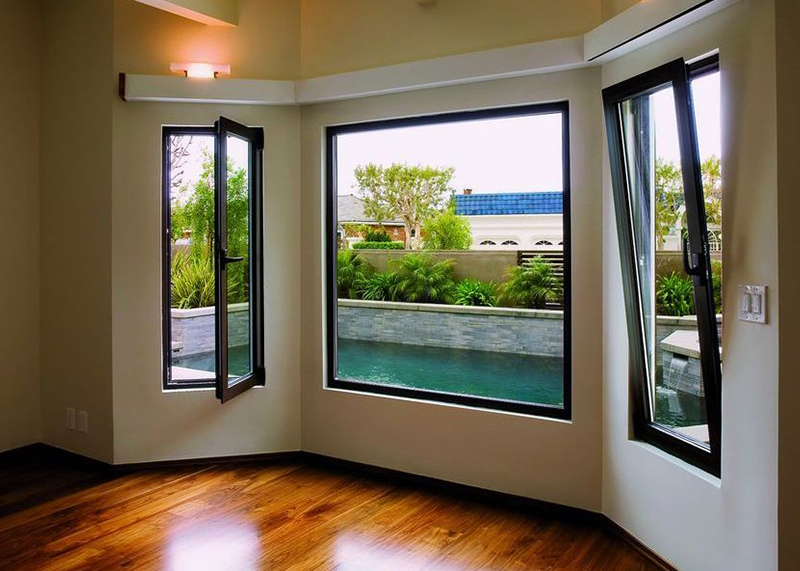
Aluminum window and door systems can also be manufactured in different configurations, including:
- Sliding windows
- Casement windows
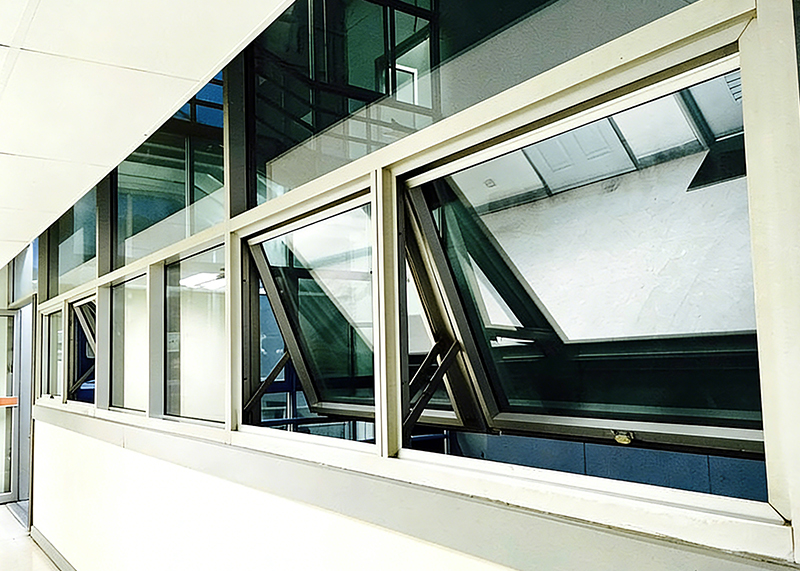
- Awning windows
- Tilt-and-turn windows
- Fixed windows
- Bi-fold windows
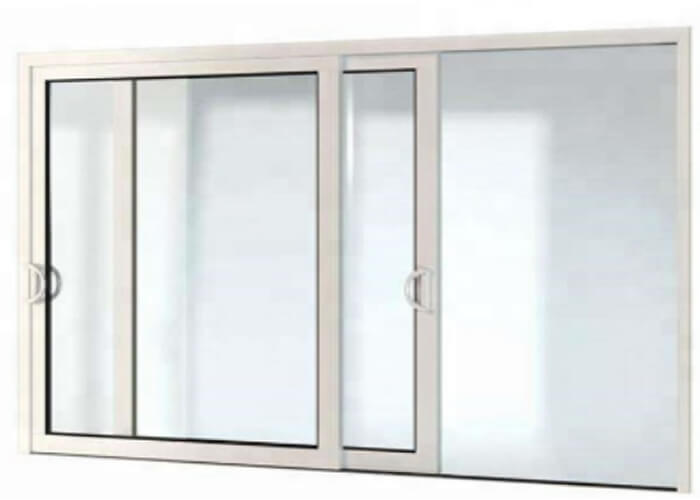
- Sliding doors
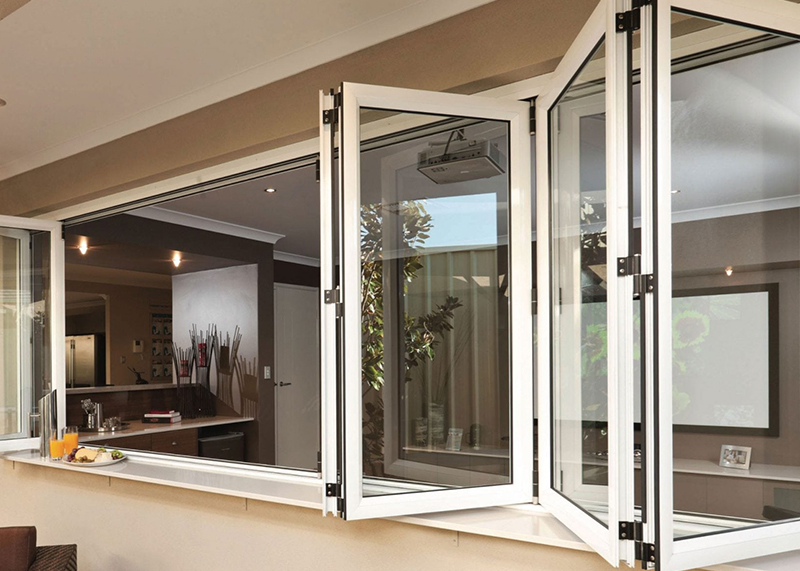
- Bi-fold doors
- Hinged doors
This flexibility makes aluminum suitable for everything from individual residential openings to repeated window and door schedules across apartments, villas, hotels and commercial developments.
Fenghui, for example, manufactures a broad range of custom aluminum windows and aluminum doors for different architectural and project requirements.
What Are Vinyl Windows and Doors?
Vinyl windows and doors are generally manufactured from PVC or uPVC profiles.
Vinyl is popular in many residential markets because it can provide good thermal insulation at a relatively accessible price. The frame itself has relatively low thermal conductivity, and hollow profile chambers can further contribute to its insulating performance.
Vinyl also requires relatively little routine maintenance. Unlike some traditional materials, it does not need regular painting.
However, vinyl profiles are generally thicker than aluminum profiles when additional structural strength is required. This can create wider sightlines and reduce the visible glass area.
For standard-size residential windows, this may not be a major concern. For large architectural openings, commercial projects or designs requiring narrow frames and large glass panels, aluminum generally offers greater structural and design flexibility.
Vinyl vs Aluminum Windows and Doors: Quick Comparison
| Factor | Aluminum Windows & Doors | Vinyl Windows & Doors |
|---|---|---|
| Structural strength | Excellent | Good for typical residential applications |
| Large opening capability | Excellent | More limited depending on system |
| Frame sightlines | Can be slim and contemporary | Generally thicker |
| Thermal performance | Depends heavily on thermal break and glazing | Naturally low frame conductivity |
| Design flexibility | Very high | Moderate |
| Color options | Extensive powder-coated/anodized finishes | Usually more limited |
| Large glass panels | Well suited | System dependent |
| Maintenance | Low | Low |
| Weather resistance | Excellent with correct system design | Good with quality profiles |
| Commercial applications | Widely used | More commonly residential |
| Initial cost | Usually higher | Often lower |
| Custom project capability | Excellent | More standardized |
| Recyclability | Aluminum is highly recyclable | PVC can also be recycled, depending on local facilities |
The right choice therefore depends on the project rather than a single performance characteristic.
1. Structural Strength: Aluminum Has the Advantage
One of the most important differences between vinyl and aluminum is structural performance.
Aluminum is inherently strong and rigid. This allows manufacturers to engineer frames capable of supporting larger and heavier insulated glass units while maintaining relatively narrow profile dimensions.
This becomes particularly important for:
- Large sliding windows
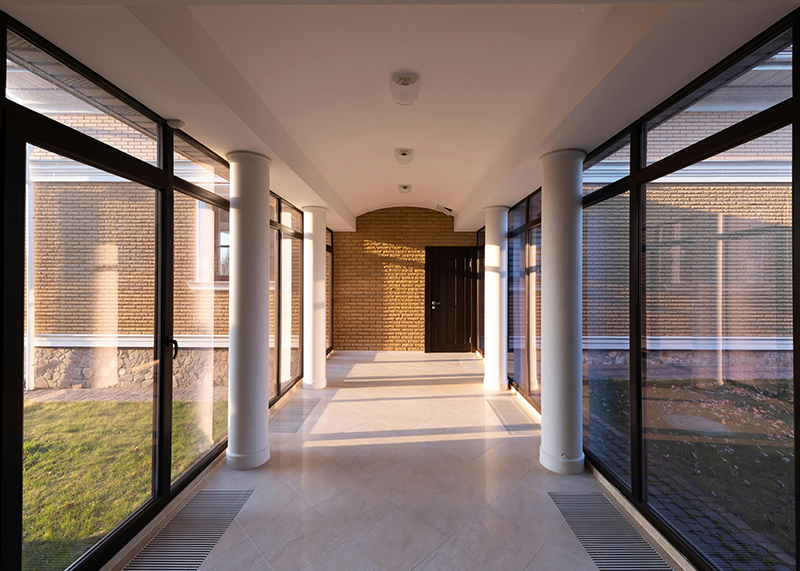
- Floor-to-ceiling glazing
- Wide sliding doors
- Multi-panel bi-fold doors
- Commercial façades
- High-rise and apartment projects
- Openings exposed to higher wind pressures
As glass panels become larger and heavier, frame stiffness becomes increasingly important.
This is one reason aluminum is commonly selected for architectural and commercial projects where standard residential window dimensions are no longer sufficient.
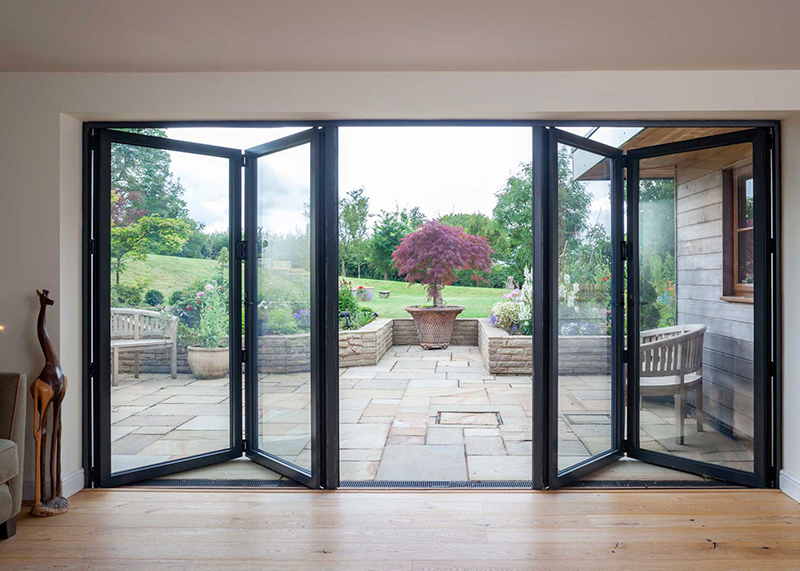
For example, aluminum bi-fold doors can accommodate large glazed openings while maintaining relatively slim frame lines and the structural support needed for multi-panel configurations.
2. Thermal Performance: Look Beyond the Frame Material
It is too simplistic to say that either vinyl or aluminum is always more energy efficient.
Traditional non-thermal-break aluminum conducts heat more readily than vinyl. However, modern thermal break aluminum windows and doors address this limitation by separating the interior and exterior aluminum sections with a low-conductivity insulating barrier.
Thermal performance is also determined by much more than the frame.
The complete window or door system needs to be considered, including:
- Frame construction
- Double or triple glazing
- Low-E glass
- Insulating gas
- Glass spacer
- Frame seals
- Sash design
- Installation quality
For projects with higher energy-performance requirements, a thermal-break aluminum frame combined with an appropriate insulated glass unit can provide a strong combination of structural performance, contemporary appearance and thermal insulation.
Fenghui therefore offers both thermal break aluminum windows and non-thermal-break aluminum windows, allowing the system to be selected according to climate, building specification and project budget.
3. Aluminum Offers Greater Flexibility for Large Openings
Modern residential and commercial architecture increasingly uses larger areas of glass to increase natural light and create stronger connections between interior and exterior spaces.
This is where aluminum has a significant advantage.
Its structural characteristics make it suitable for larger sash and panel configurations without requiring the extremely bulky frames that would otherwise obstruct the view.
This is particularly valuable for:
Luxury Residential Projects
Large sliding and bi-fold doors can connect living rooms with patios, gardens, balconies and outdoor entertainment areas.
Apartment Developments
Repeated custom window sizes can be manufactured around architectural schedules while maintaining consistent frame appearance.
Hotels
Large glazing areas can improve natural light and views while coordinated window and door systems maintain a consistent façade.
Commercial Buildings
Aluminum provides the dimensional flexibility required for larger or non-standard architectural openings.
For buyers sourcing windows and doors for an entire project rather than a single house, these capabilities can have a major influence on material selection.
4. Design and Appearance
Vinyl and aluminum windows also create noticeably different architectural effects.
Vinyl windows often have wider profiles and are commonly associated with traditional residential construction.
Aluminum allows much slimmer visual lines.
Narrower frames mean more visible glass, helping create the clean and minimalist appearance preferred in many modern architectural projects.
Aluminum also offers extensive finishing possibilities.
Depending on the specification, frames can be supplied in a range of powder-coated or anodized finishes to coordinate with:
- Building façades
- Roofing
- Curtain wall systems
- Interior finishes
- Exterior cladding
- Architectural color schedules
This flexibility is particularly useful for developers and architects who need all windows and doors across a building to follow the same design language.
5. Color Options and Long-Term Appearance
Color selection can be another important difference.
Vinyl profiles are available in different colors and finishes, but choices depend on the manufacturer and profile system. White and other light colors remain common in many markets, while darker colors may require specially engineered formulations or surface treatments.
Aluminum offers much broader finishing flexibility.
Powder coating allows architects and project buyers to specify a wide variety of colors, including popular architectural finishes such as:
- Black
- Charcoal
- Grey
- White
- Bronze
- Custom project colors
This makes aluminum especially attractive for projects where frame color is an important part of the exterior design.
6. Weather and Climate Performance
Both high-quality vinyl and aluminum windows can perform well when the complete system is correctly engineered, fabricated and installed.
However, aluminum's dimensional stability and structural rigidity make it particularly suitable for demanding architectural applications.
For buildings exposed to:
- Strong wind
- High UV exposure
- Coastal conditions
- Large temperature variations
- Heavy rain
- Large glazed openings
the complete window specification should consider much more than the frame material.
Profile dimensions, drainage design, seals, hardware, glazing and installation details all contribute to weather performance.
For B2B buyers, this means comparing complete window and door systems, rather than comparing aluminum and vinyl only as raw materials.
7. Maintenance Requirements
Both vinyl and aluminum are relatively low-maintenance compared with materials requiring regular painting or refinishing.
For aluminum windows and doors, normal maintenance generally includes:
- Cleaning frames periodically
- Removing dirt from tracks and drainage channels
- Checking seals
- Cleaning hardware
- Lubricating moving components where required
- Inspecting exposed hardware in coastal environments
Powder-coated aluminum surfaces are designed to provide a durable architectural finish, provided appropriate cleaning and maintenance procedures are followed.
For large residential developments or commercial projects, low maintenance can contribute to lower long-term building management requirements.
8. Which Material Lasts Longer?
Product life depends heavily on material quality, profile design, fabrication, hardware, installation, climate and maintenance.
It is therefore difficult to assign one universal lifespan to either vinyl or aluminum.
The main advantage of aluminum is that its structural properties and dimensional stability make it particularly suitable for long-term use in demanding applications.
This is important for developers and commercial buyers who are evaluating not only the purchase price but also:
- Replacement frequency
- Maintenance requirements
- Hardware serviceability
- Availability of replacement components
- Long-term appearance
- Whole-building lifecycle cost
A cheaper window is not necessarily the least expensive option over the full life of a building.
9. Sustainability and Recyclability
Aluminum is widely recyclable and can be recovered and reused as a raw material.
This makes it particularly relevant to projects where material lifecycle and recyclability form part of the broader sustainability strategy.
Vinyl can also be recycled where appropriate PVC recycling systems are available.
Environmental performance, however, should not be judged on frame material alone. Product lifespan, manufacturing, glazing performance, building energy consumption, transportation and end-of-life recovery can all influence the overall environmental impact.
10. Cost: Is Vinyl Cheaper Than Aluminum?
In many markets, vinyl windows have a lower initial purchase price than comparable aluminum systems.
That can make vinyl an attractive option for standard residential projects where:
- Openings are relatively small
- Standard sizes are acceptable
- Design requirements are straightforward
- Initial budget is the primary consideration
Aluminum systems usually require a higher investment, especially when thermal-break profiles, large insulated glass units or premium hardware are specified.
However, project buyers should evaluate value rather than frame price alone.
For large-scale building projects, factors such as structural capacity, customization, glazing size, design consistency, service life and maintenance can be equally important.
When Should You Choose Vinyl Windows?
Vinyl can be a practical choice when the project prioritizes:
- Lower initial cost
- Standard residential window sizes
- Good inherent frame insulation
- Low routine maintenance
- Conventional residential appearance
It remains a widely used solution for many housing applications.
When Should You Choose Aluminum Windows and Doors?
Aluminum is particularly suitable when the project requires:
- Large window or door openings
- Slim architectural sightlines
- Large glass panels
- Custom dimensions
- Multiple opening configurations
- Greater structural rigidity
- Extensive frame color options
- Commercial or multi-residential applications
- Thermal-break frame options
- Coordinated window and door packages
This makes aluminum especially attractive to builders, property developers, architects, glazing contractors, importers and window distributors purchasing products for complete building projects.
Aluminum vs Vinyl: Which Is Better for Your Project?
There is no single material that is best for every building.
Vinyl can provide a cost-effective, thermally efficient solution for many standard residential applications.
Aluminum becomes particularly valuable when strength, larger dimensions, slim profiles, customization and architectural flexibility are higher priorities.
For projects in demanding climates, the decision also should not stop at "aluminum or vinyl." Buyers should determine whether a thermal-break or non-thermal-break aluminum system is appropriate and then select the glass, seals, hardware and overall configuration around the building-performance requirement.
Choosing the Right Aluminum Window and Door System
If aluminum is the preferred material, the next step is to select the right system rather than simply purchasing an "aluminum window."
Consider:
- Opening dimensions
- Window or door type
- Thermal-break requirements
- Glass configuration
- Required energy performance
- Wind and weather exposure
- Acoustic requirements
- Frame finish
- Hardware
- Insect screens
- Project standards and compliance requirements
Fenghui supplies custom aluminum windows and doors for residential developments, apartments, villas, hotels and commercial projects, with configurations available around different architectural and performance requirements. Fenghui's current product range includes thermal-break and non-thermal-break systems across multiple window and door styles.
Planning a residential or commercial project? Send Fenghui your window schedule, drawings, dimensions and performance requirements to discuss the most appropriate aluminum window and door configuration for your project.