Related Products
Aug. 05, 2026
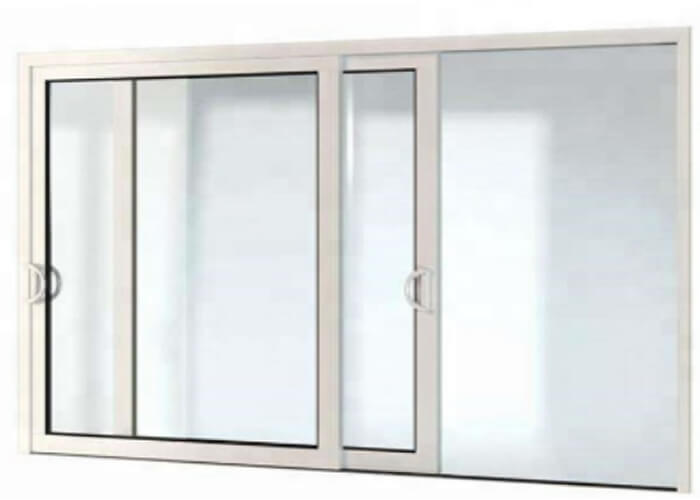
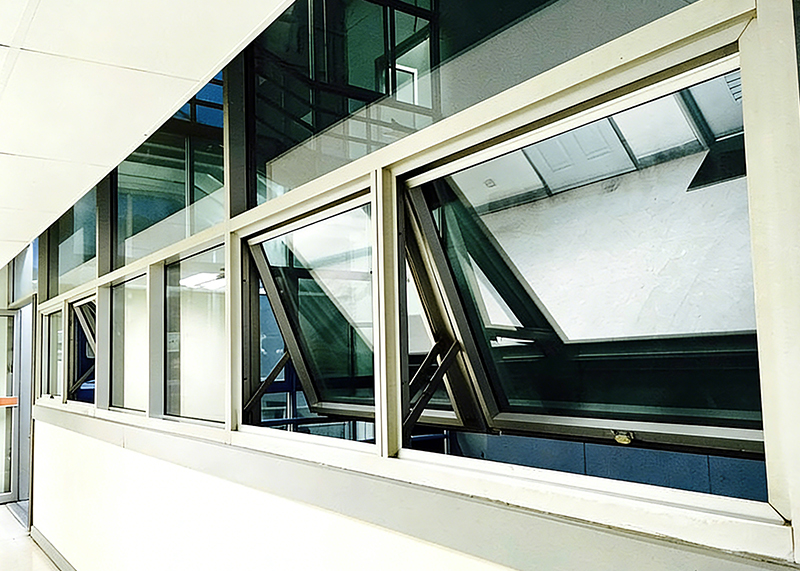
When choosing windows for high-rise buildings, architects and developers often face a dilemma between two popular styles: sliding and casement aluminium frames. Understanding the specific needs of high-rise structures and how the window frames can impact energy efficiency, aesthetics, and functionality is vital. Common questions include: "Which frame style offers better ventilation?" and "How do these styles perform in extreme weather conditions?" Both styles have their unique advantages and potential drawbacks. This article will dissect the crucial factors influencing your decision, supported by data and real-world user evaluations to help you arrive at the best choice.
| Feature | Sliding Aluminium Frames | Casement Aluminium Frames |
|---|---|---|
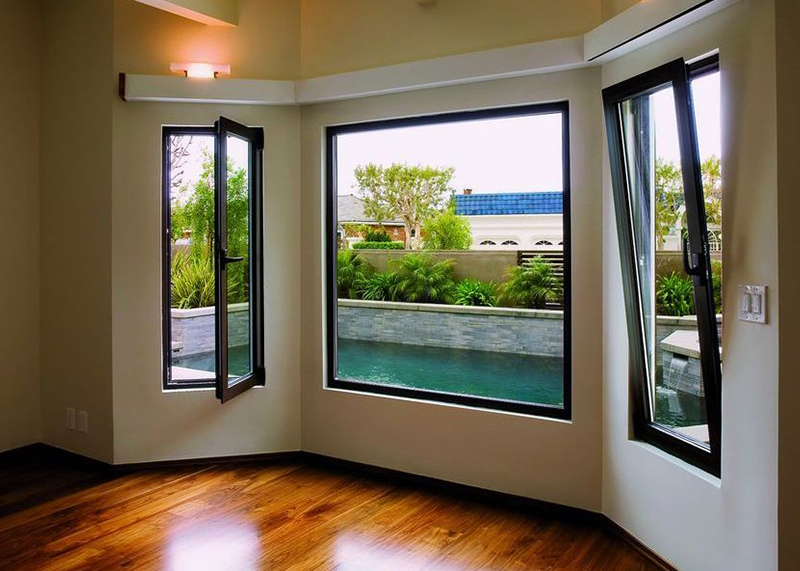
| Ventilation | Offers limited ventilation unless fully opened; good for maintaining view. | Provides maximum ventilation as they can swing open completely. |
| Energy Efficiency | Typically equipped with dual-seal technology achieving U-values around 1.4 W/m²K. | Achieves lower U-values, often as low as 0.9 W/m²K, enhancing thermal efficiency. |
| Space Efficiency | Does not require space outside or inside to open. | Requires clearance space to swing, which can limit placement options. |
| Cost | Generally priced at $250-350 per unit. | Typically ranges between $300-450 per unit. |
| Maintenance | Minimal maintenance required. | Can require more maintenance due to moving parts. |
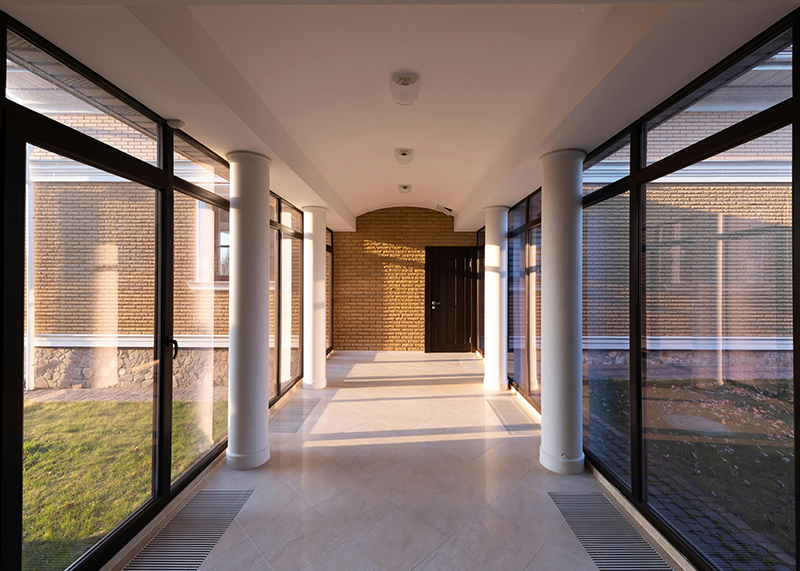
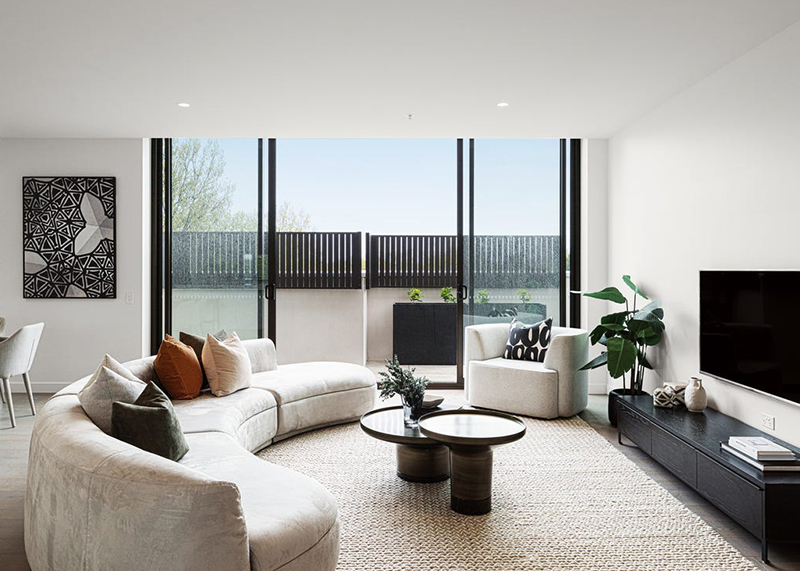
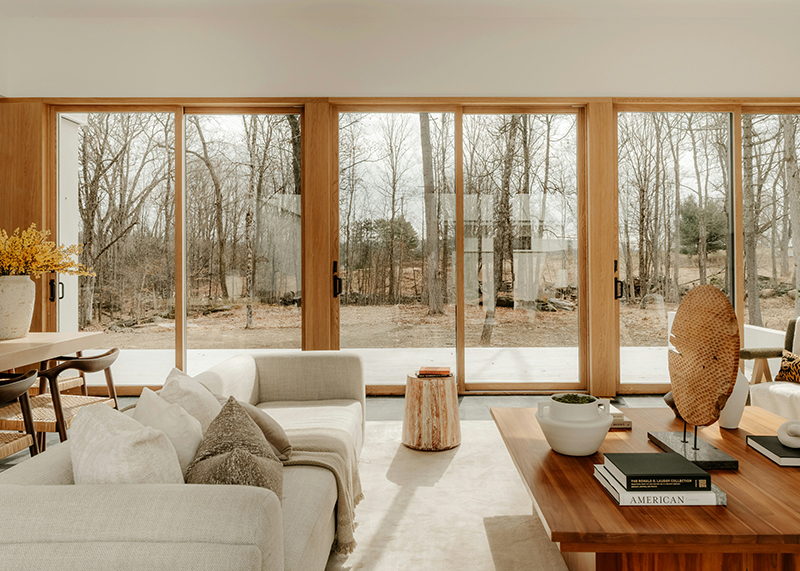
Sliding aluminium windows are often ideal for high-rise buildings where space efficiency is paramount. Given their design and the need for safety in high altitudes, they rank as a preferred choice in urban residential apartments. Their functionality allows for outstanding views without compromising on the usable space in a room. A notable example is the Riverstone Apartments in downtown Seattle, where sliding frames were selected for their modern aesthetics while facing the waterfront.
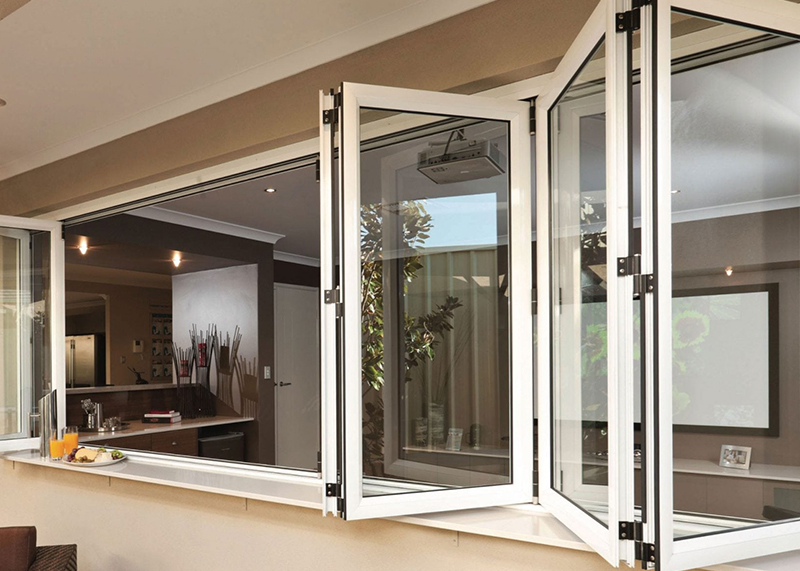
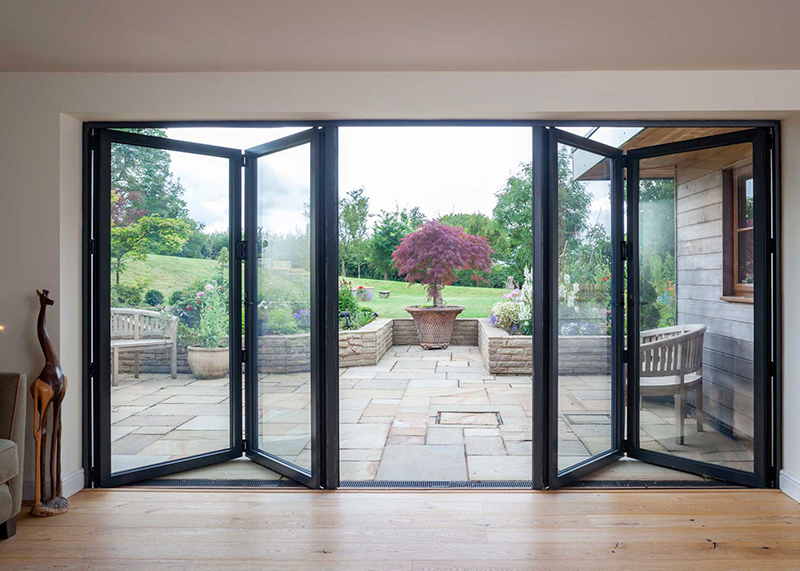
In contrast, casement aluminium frames are well-suited for buildings in regions experiencing extreme temperatures. Their ability to completely open allows for superior airflow, which is critical in hotter climates. For instance, the Eco-Residence project in Phoenix incorporated casement windows that enhanced natural ventilation, reducing energy costs by up to 25% during peak summer months, demonstrating their thermal benefits.
Customer feedback on the performance of both window styles provides valuable insights into their real-world applications. A user from a high-rise building downtown reports, "I installed sliding aluminium windows last winter with Fenghui Windows & Doors, and the cold drafts I experienced previously have dropped significantly." In contrast, a satisfied casement window user described their experience: "With our new casement windows, we not only improved ventilation but also saw a 15% reduction in our heating bills." Real feedback like these highlight that the choice often hinges on personal preference and building location.
To make an informed decision, consider factors such as building location, climate, aesthetic preferences, and energy efficiency needs. Based on extensive comparisons and customer case studies, here are some recommendations:
Fenghui Windows & Doors excels in both categories, offering sliding and casement frames tailored to high-rise demands. Their dedication to quality and durability ensures each frame not only meets aesthetic needs but also provides measurable energy efficiency. More information can be found on their website: Fenghui Windows & Doors.
In conclusion, sliding aluminium frames suit those prioritizing modern design and space-saving efficiency, while casement options excel in energy performance and ventilation. Based on building requirements and personal preferences, determining the best fit should consider both aesthetic desires and practical living conditions.
Now that you have a clear understanding of the differences between sliding and casement aluminium frames, it's time to explore your options! Visit Fenghui Windows & Doors to check out their extensive range and start planning your window installation today!