Related Products
Aug. 14, 2026
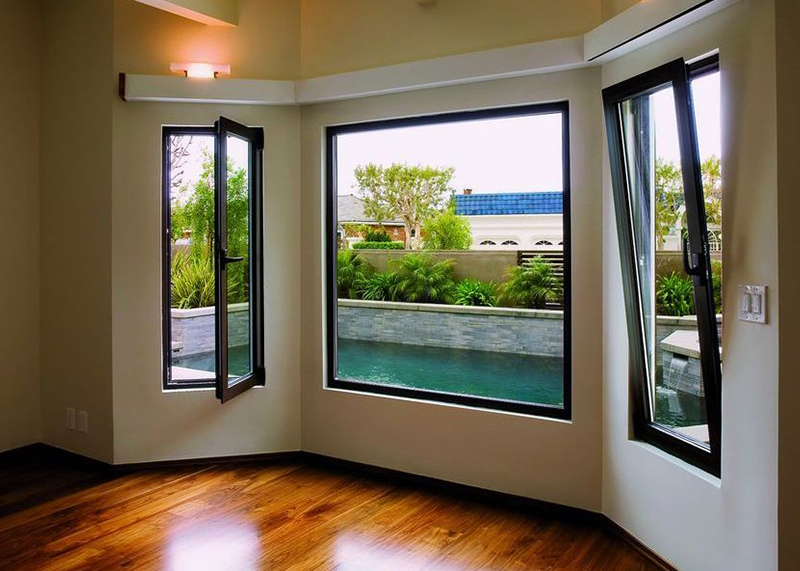
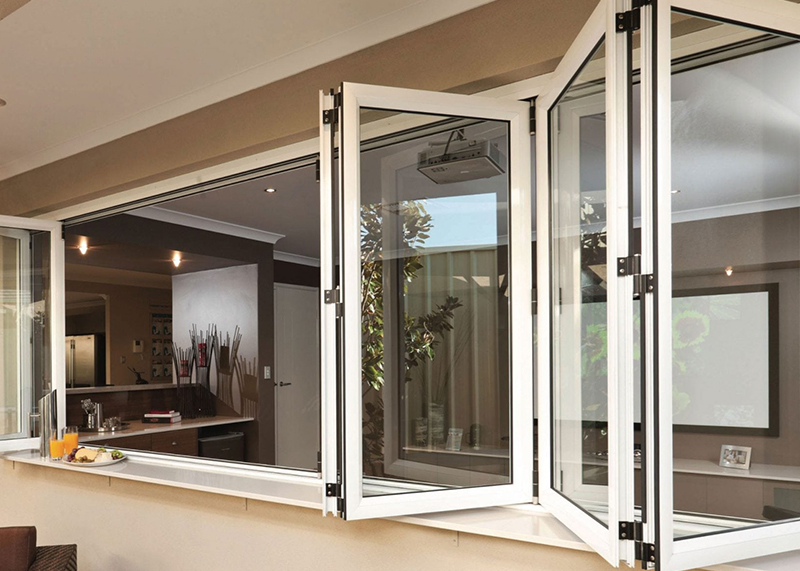
Casement windows are hinged at the side and open outward, providing superior ventilation and a tight seal when closed.
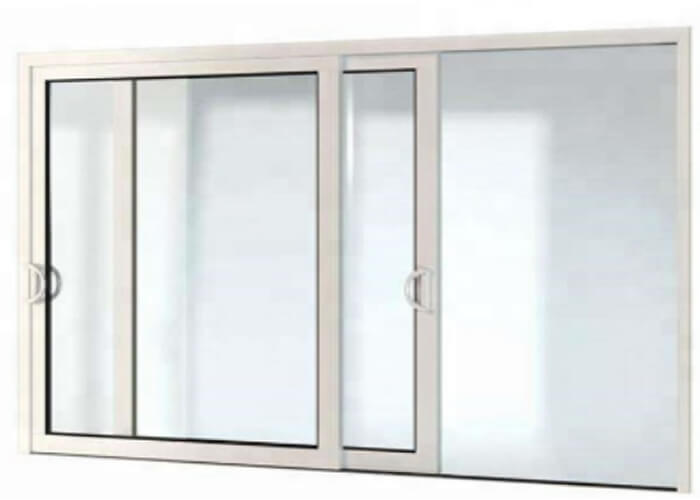
Sliding windows consist of two or more sashes that slide horizontally. While easy to operate, they often struggle with air sealing due to their design.
Casement windows utilize a compression seal that reduces air leakage, making them highly effective in energy conservation.
With the ability to open fully, casement windows allow for better airflow compared to the more limited openings of sliding windows.
The airtight seal of casement windows prevents drafts, thus maintaining indoor temperatures and reducing energy costs.
Determine the areas in your home that need better ventilation or insulation. Identify spaces where air sealing is critical.
Use a tape measure to get the dimensions of your current window frames. Accurate measurements ensure a proper fit for the new casement windows.
Explore various materials like aluminum, vinyl, or wood for your casement windows. Each offers different benefits and aesthetic appeals.
Reach out to contractors or window specialists to discuss your options and get insight on installation best practices.
Choose a reputable supplier such as Fenghui Windows & Doors to ensure quality and optimal performance of your casement windows.
Double-check all measurements to avoid ordering the wrong size windows, which can complicate installation.
Installation may seem straightforward, but consulting professionals ensures proper fit, sealing, and avoids future issues.
Understanding the orientation of your windows is crucial; maximize natural light and ventilation based on your climate.
When considering window styles, casement windows stand out for their superior air sealing capabilities compared to sliding window designs. At Fenghui Windows & Doors, we provide a range of high-quality aluminum casement windows that offer durability, energy efficiency, and aesthetic appeal. To learn more about our products, visit here.