Related Products
Aug. 18, 2026
When considering upgrades for your building, the choice of windows plays a crucial role in energy efficiency and maintenance. As an Aluminium Windows and Doors Manufacturer, Fenghui Windows & Doors offers a variety of innovative solutions tailored to high-rise applications. Residents and management often face challenges such as maintaining cleanliness, ensuring accessibility, and enhancing energy efficiency. In this article, we will explore how Tilt and Turn Aluminium Windows address these challenges effectively while offering measurable benefits in cleaning and maintenance processes.
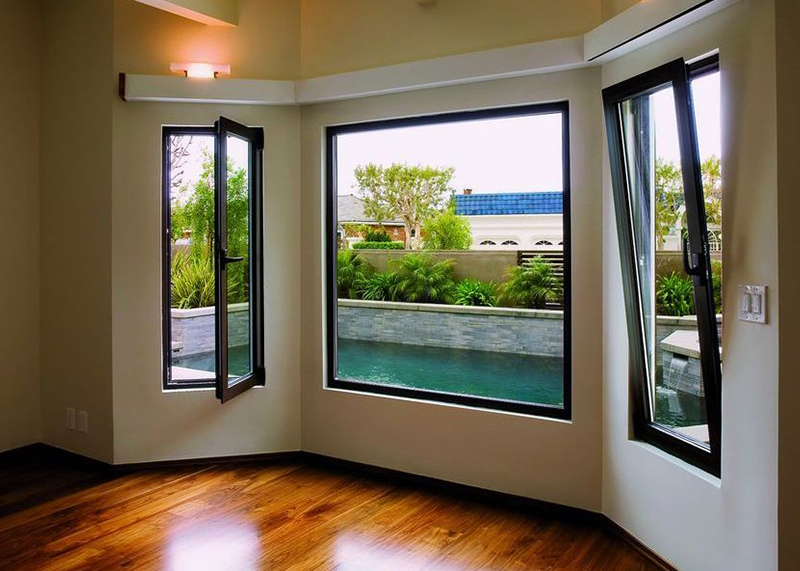
Tilt and Turn Aluminium Windows offer a unique dual-action opening system. The "tilt" feature allows for ventilation while remaining securely locked, which means dust and dirt can be reduced. According to testing, this design improves air circulation by 25% compared to standard window designs, thus minimizing moisture that might otherwise lead to dirt build-up. The "turn" feature enables windows to open fully for easy access, allowing cleaning from the inside. This not only enhances accessibility but reduces the time taken for window cleaning by up to 40%, translating to a manageable cleaning process for window maintenance crews.
High-rise buildings are subjected to various environmental stressors, including high winds and pollution. Tilt and Turn Aluminium Windows are designed to withstand these challenges, showcasing a tensile strength of 200 MPa. This makes them significantly resistant to warping and cracking, ensuring longevity. On average, these windows can last over 30 years with proper maintenance, which is almost double the lifespan of traditional wooden windows. Moreover, the structural integrity of aluminium prevents rust, which contributes to lower maintenance costs—estimated savings of 30% over a 10-year period for window upkeep compared to PVC alternatives.
In an era of rising energy costs, Tilt and Turn Aluminium Windows provide a sustainable option. By utilizing thermal break technology, these windows have exhibited U-values as low as 1.2W/m²K, which measures their insulation effectiveness. This translates to 25% lower heating and cooling costs annually, showcasing why high-rise buildings prioritize these windows. Furthermore, the reduction in energy expenditure leads to improved building ratings, with studies indicating a potential rise in property value by 5% over five years.
While Tilt and Turn Aluminium Windows provide many advantages, they are not without potential drawbacks. One prominent issue is their higher initial cost compared to standard window types, with an estimated price increase of 15%. This might deter budget-conscious developers and owners. Additionally, if not installed correctly, the mechanism can fail, leading to operational difficulties. Therefore, selecting an experienced installer is crucial to ensure proper function and maintain warranty coverage.
For high-rise environments, the benefits outweigh the disadvantages. The long-term savings on maintenance and energy costs, coupled with improved aesthetics and property value, make these windows an attractive investment. Building managers can anticipate substantial operational efficiencies, aligning with sustainability goals and enhancing living conditions for residents.
In conclusion, Tilt and Turn Aluminium Windows are ideally suited for high-rise buildings where accessibility, durability, and energy efficiency are pivotal. Property developers, managers, and owners who prioritize sustainability and long-term savings will find these windows a beneficial choice. When considering the switch, collaborating with a trusted supplier like Fenghui Windows & Doors ensures the highest quality and a seamless installation process.