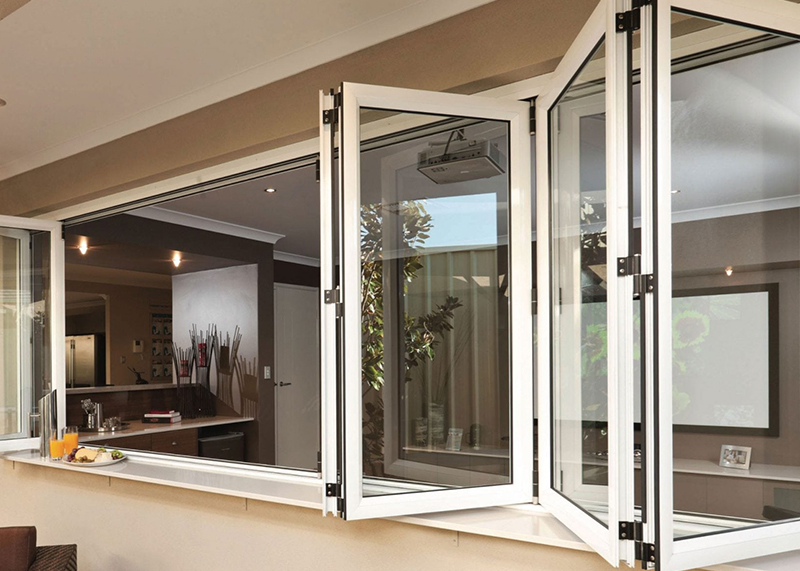
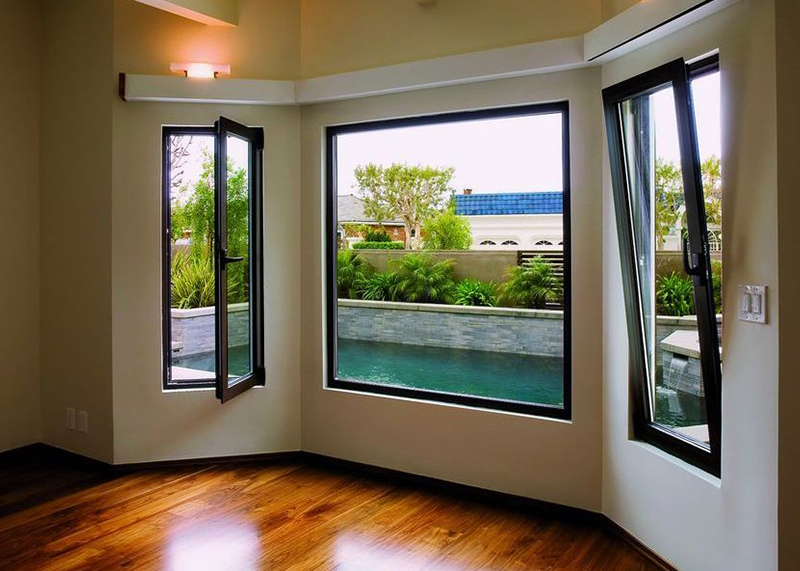
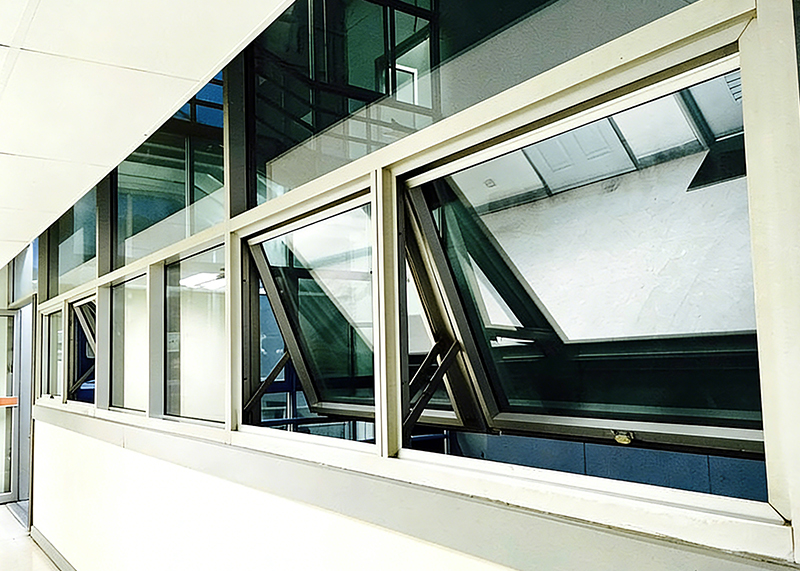
Aluminum Windows: Are They Worth It?
May. 20, 2026
Aluminum windows have been widely used in the construction industry since the early 20th century. Over the decades, they have evolved from simple single-frame structures into advanced, energy-efficient window systems designed for modern residential and commercial applications.
If you are considering new windows and wondering whether aluminum windows are the right choice, this guide will help you understand their key benefits, energy performance, design flexibility, and long-term value.
What Are Aluminum Windows?
Modern aluminum windows are typically manufactured from high-strength, corrosion-resistant aluminum alloys such as 6063-T5, which offer excellent durability, structural stability, and premium surface finishing performance.
The earliest applications of aluminum windows date back to 1912, when they were mainly used in buses and trolley cars. By the 1920s, aluminum windows had been introduced into commercial buildings, and during the 1960s, they became increasingly popular in residential construction, especially for projects requiring large glass panels, slim sightlines, and contemporary aesthetics.
One of the main challenges of early aluminum windows was thermal performance, as aluminum naturally conducts heat and cold more easily than other materials. To address this issue, manufacturers developed thermal break technology, which significantly improves insulation performance by reducing heat transfer between interior and exterior surfaces.
Today, advanced aluminum window systems feature high-performance thermal breaks, insulated glazing, and precision engineering to deliver excellent energy efficiency, weather resistance, durability, and modern architectural appeal for homeowners and commercial projects alike.
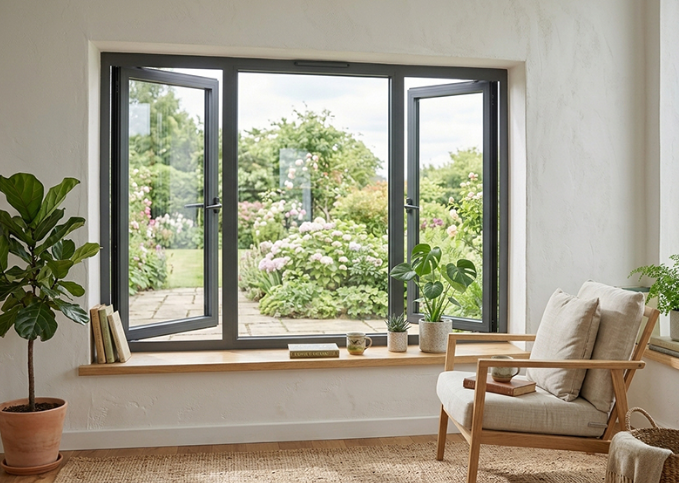
Key Benefits of Aluminum Windows
Can't decide if aluminum windows are the best for your home? Let's discuss some of their most praised benefits!
How Strong and Durable Are Aluminum Windows?
Aluminum windows are highly resistant to warping, cracking, and structural deformation—all of which are undesirable in windows as they can weaken structural integrity over time. In contrast, aluminum maintains excellent stability even in regions with harsh weather conditions.
While aluminum itself does not rust, it can still corrode. However, modern aluminum window systems typically use an electrochemical process called anodizing. The resulting anodized aluminum surface is highly durable and resistant to chipping, flaking, peeling, and corrosion. In addition, this process significantly increases surface hardness—making it up to three times harder than base aluminum.
What Is the Energy Efficiency of Aluminum Windows?
Modern aluminum windows can achieve strong energy efficiency, mainly due to thermal break technology, which reduces heat transfer through the frame system.
For example, the U-value (which measures heat loss rate) of a standard single-pane window is above 1, which indicates relatively poor insulation. In general, lower U-values represent better thermal performance. Aluminum windows with thermal breaks or combined materials can achieve U-values as low as 0.25 or even 0.17.
Therefore, when purchasing aluminum windows, it is important to check the U-value and understand what contributes to their energy efficiency, since basic aluminum itself has relatively poor thermal performance.
How Much Do Aluminum Windows Cost?
Aluminum windows typically have 15–25% higher upfront costs compared to basic vinyl windows. The final price depends on several factors, including:
- · Whether the material is reinforced with other materials
- · How many glass panes the window has
- · Whether you choose Low-E coatings
- · The window’s shape and size
It is also important to consider long-term value rather than only initial cost. Aluminum windows generally have a lifespan of 30+ years, while vinyl windows typically last around 15–20 years, and even less in regions with extreme temperature fluctuations.
Is Aluminum Environmentally Friendly?
Aluminum is 100% recyclable and can be reused repeatedly without losing its quality or performance.
Statistics show that recycling aluminum saves up to 95% of the energy required for primary production. In addition, recycling one tonne of aluminum can save approximately 8 tonnes of bauxite, 7.6 cubic meters of landfill space, and around 14,000 kWh of energy.
The Disadvantages of Aluminum Windows
Like any other window material, aluminum does have some disadvantages, including:
- · Higher price point compared to basic alternatives
- · Higher risk of surface scratching
- · High thermal conductivity, meaning thermal breaks are required to improve insulation performance
- · Higher risk of corrosion if not properly treated or finished
- · Higher risk of interior condensation under certain temperature and humidity conditions
Aluminum Windows vs Vinyl Windows vs Wood Windows
Here's a brief comparison between aluminum windows, vinyl windows, and wood windows:
| Feature | Aluminum windows | Vinyl windows | Wood windows |
|---|---|---|---|
| Durability | High; weather-resistant and corrosion-resistant; great dimensional stability |
Moderate; can warp in extreme heat but generally low-maintenance |
Moderate; prone to rot; require regular maintenance |
| Insulation | Low to moderate; conduct heat and cold but can be reinforced |
High; good thermal insulation | High; natural insulation but depends on maintenance |
| Aesthetic appeal | Sleek, modern look; thinner frames |
Clean, versatile design; can mimic other materials |
Classic, warm look; highly customizable |
| Maintenance | Minimal upkeep; may need occasional repainting |
Very low; easy to clean | High; require painting/staining and sealing |
| Cost | Moderate to hight | Most cost effective | High |
| Customizability | Moderate; can be combined with other materials like PVC |
Moderate; limited to shapes/colors | High; can be combined with other materials and painted/stained |
| Resistance to elements | Very good; weather-resistant | Good; can fade over time | Moderate; must be maintained to resist elements |
FAQs
How long do aluminum windows last?
Aluminum windows typically last 30 years or more with minimal maintenance, especially in harsh climates and when they have high-quality powder-coated finishes that resist corrosion and fading. Proper construction and professional installation are also key to long service life.
What is better, PVC or aluminum windows?
PVC/uPVC windows are usually better if your priorities are energy efficiency, lower upfront cost, and reduced condensation. Aluminum windows are better if you need superior structural strength, slim frames, large glazed areas, long-term durability, and a modern aesthetic.
What is the disadvantage of aluminum windows?
The main disadvantages of aluminum windows include weaker thermal insulation without thermal breaks, a higher risk of interior condensation on frames, and generally higher purchase costs. Low-quality aluminum or finishes may also be more vulnerable to corrosion or oxidation in harsh or coastal environments.
Are aluminum windows worth it?
Aluminum windows are worth it if you value long service life, slim and stylish frames, design flexibility, strong security, and low maintenance. With thermal breaks, quality glazing, and proper installation, they offer a strong balance of durability, safety, and modern appearance despite higher initial costs compared to PVC.
Which is more expensive, uPVC or aluminum windows?
Aluminum windows are generally more expensive than uPVC windows in terms of both material and installation costs. However, their longer lifespan and higher durability can reduce the long-term cost difference.
How do you know if aluminum windows are of good quality?
High-quality aluminum windows typically feature thermal break profiles, reinforced construction, reliable multi-point locking systems, and well-sealed frames. They also come with certified performance ratings for energy efficiency, air and water tightness, and security, along with durable powder-coated or anodized finishes.
Are aluminum windows low-maintenance?
Yes, aluminum windows are generally low maintenance. Regular cleaning is usually enough, along with occasional checks of tracks and hardware to ensure smooth operation.