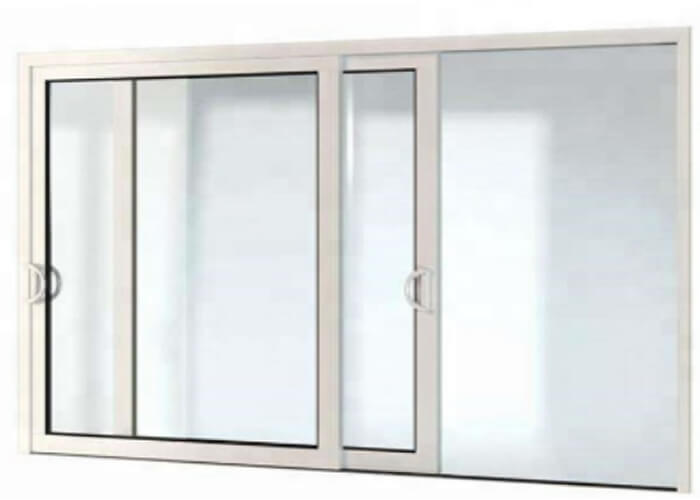
Custom Non-Thermal Break Aluminium Sliding Doors for Project Supply
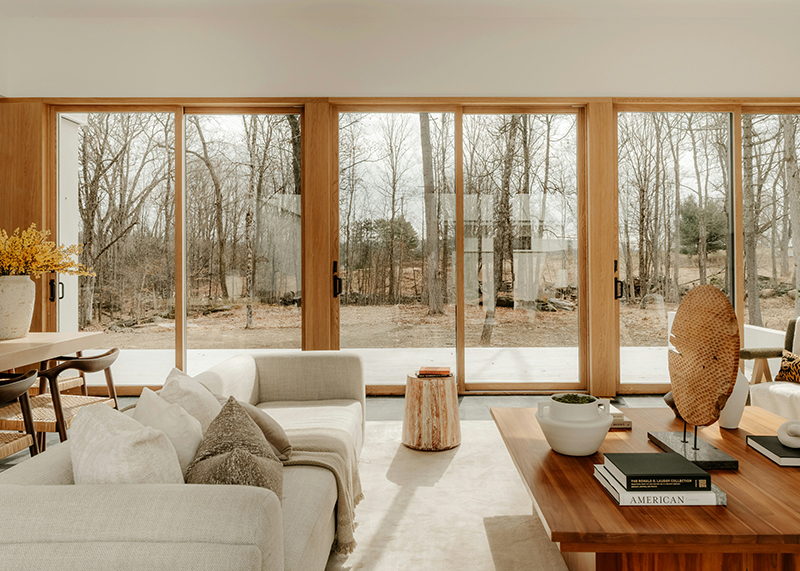
Fenghui manufactures custom non-thermal break aluminium sliding doors for builders, developers, window and door distributors, architects and commercial contractors sourcing project-specific units.
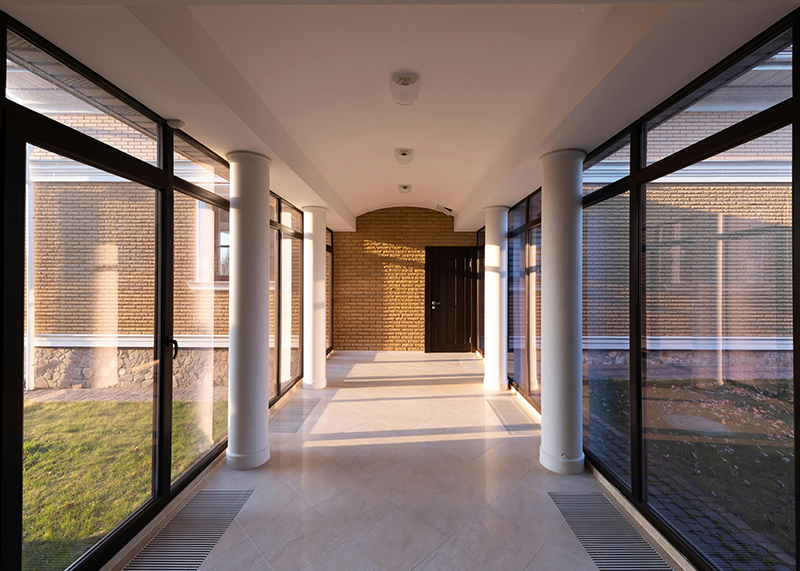
Each order can be coordinated with the door schedule, architectural openings, panel layout, glazing specification, frame colour, hardware requirements and destination-market standards. Our FH101 and FH150 systems provide two practical directions for residential developments, apartments, hotels, restaurants, commercial buildings and covered outdoor areas.
A non-thermal break sliding door uses a continuous aluminium frame without an insulating polyamide barrier between the internal and external profile sections. This simpler construction provides a practical balance of structural strength, smooth operation and project cost where maximum frame insulation is not the primary requirement.
Send us your door schedule and project requirements so that we can review the suitable frame series, glass configuration and performance direction before quotation.
When Is a Non-Thermal Break Sliding Door the Right Choice?
| Project Condition |
Recommended Direction |
| Mild or moderate climate |
A non-thermal system can provide a cost-effective solution where extreme frame insulation is not required. |
| Internal or semi-enclosed opening |
Suitable for internal divisions, covered patios, seasonal spaces and other locations outside the main conditioned envelope. |
| Cost-controlled apartment or residential project |
Helps control the window and door package budget while retaining durable aluminium framing and large glazed openings. |
| Repeated commercial or hospitality openings |
Offers space-saving operation and straightforward maintenance for apartments, cafés, restaurants and selected commercial areas. |
| Large or frequently operated opening |
The heavier FH150 system can be reviewed according to panel size, glass weight and operating frequency. |
| Energy-rated or highly conditioned building envelope |
Consider a thermal-break aluminium sliding door instead. |
Double glazing, Low-E coatings and argon filling can improve the performance of the glazing assembly, but they do not turn a continuous aluminium frame into a thermally broken frame. Fenghui can compare the two system directions against the climate, opening size and project energy requirements.
If the design requires panels to fold completely to one side rather than slide along fixed tracks, compare our custom aluminium bi-fold doors.
Australian Compliance Support for Project Buyers
For Australian projects, compliance must correspond to the selected door system, actual unit configuration, nominated performance rating and glass specification—not simply to a general manufacturer certificate.
AS 2047 applies to windows and framed external glazed doors and covers deflection, operating force, air infiltration, water penetration and ultimate strength testing. For commercial and other non-housing projects, the purchaser should nominate the required design wind pressure when ordering the door assemblies. AS 1288 addresses the selection and installation of glass in buildings.
For an Australian custom aluminium door order, buyers can request confirmation of:
- ► The applicable AS 2047 test report or compliance documentation
- ► Serviceability and ultimate design pressure suitability
- ► Water penetration and air infiltration performance
- ► Safety glass type and thickness
- ► Door size and panel configuration covered by the available test evidence
- ► Product drawings and installation details
- ► Required performance labels or certificates
Fenghui coordinates the frame system, glazing and hardware configuration with the nominated project requirements before production. Buyers should provide the project location, building type, design pressure and required standards at the quotation stage.
The Fenghui Manufacturing Advantage
Established in 2000, Fenghui operates a 200,000 m² manufacturing base with an annual production capacity of 100,000 m². Integrated production—from aluminium extrusion to final inspection—ensures consistent quality across large-volume orders.
With multi-stage quality control, Australian market experience and project-specific technical support, we help builders, developers and distributors coordinate custom windows and doors efficiently.
Have a door schedule ready? Send your project requirements for system review and a detailed quotation.
Frequently Asked Questions
Can a non-thermal break sliding door be used externally?
Yes, provided the selected system meets the project’s structural, water, air, glazing and local compliance requirements. It is generally more suitable for mild climates or projects without stringent frame-insulation targets.
Can non-thermal aluminium sliding doors use double glazing?
Yes. Double-glazed, Low-E, laminated and other glass configurations can be reviewed. However, insulated glass does not create a thermal break within the aluminium frame.
Are custom sizes and panel arrangements available?
The opening size, panel number, sliding direction and track arrangement can be reviewed against the selected FH101 or FH150 system. Final feasibility depends on glass weight, panel dimensions, hardware capacity and design loads.
What is the difference between FH101 and FH150?
FH101 provides a balanced system for standard project openings, while FH150 offers a wider and heavier frame direction for larger or more demanding configurations.
What information is required for an Australian project?
Provide the project location, building type, required design pressure, exposure conditions, glass requirements, door dimensions and applicable compliance documentation. This allows the proposed configuration to be checked against the project specification.